


Ariadne Georgiana Matilde Saint was born at Rouen on the seventh of November, the only daughter of a French gentleman and an Englishwoman whose family belonged to the old aristocratic circles of England. On her father’s side there existed some distant Spanish relation, though the matter was seldom mentioned except occasionally by elderly relations over dinner, and never with any seriousness.Her mother died not long after her birth, and Ariadne grew up knowing her only through a few photographs, a handful of letters kept carefully out of sight, and the occasional stories her father would tell. He remained, despite it all, a remarkably warm man, full of life and quick to laughter. Though the mention of his wife seemed at times to draw him elsewhere for a while.Ariadne spent her early childhood in France and spoke French long before she spoke a word of English. The latter came gradually during her visits to her grandfather’s estate in England, a sombre old place of long corridors, shaded gardens, and perpetually grey skies. By the time she was older, the two languages had become equally familiar to her.She was, by disposition, a reserved child, possessed of the sort of shyness often mistaken for aloofness by those who did not know her well, and apt to withdraw further into herself whenever attention was directed towards her. Much of her time was spent alone, wandering the grounds or sitting silently by the windows with a book upon her lap and little desire for company. There was nothing unhappy in this solitude. It seemed, rather, the natural condition of her character.




This story is a work in progress.
This is a roleplay account for an original character. I'm not affiliated with the real Sonya in any way. The story is inspired by historical fiction and may reference real events or figures, but all original characters, titles, and locations are fictional. All media used belongs to its rightful owners and is used purely for writing purposes. If any information is incorrect or misrepresented, especially regarding historical events or real figures, please feel free to reach out. I'm always open to learning and making corrections where needed. Out of character, I go by Jasmine.
ㅤ
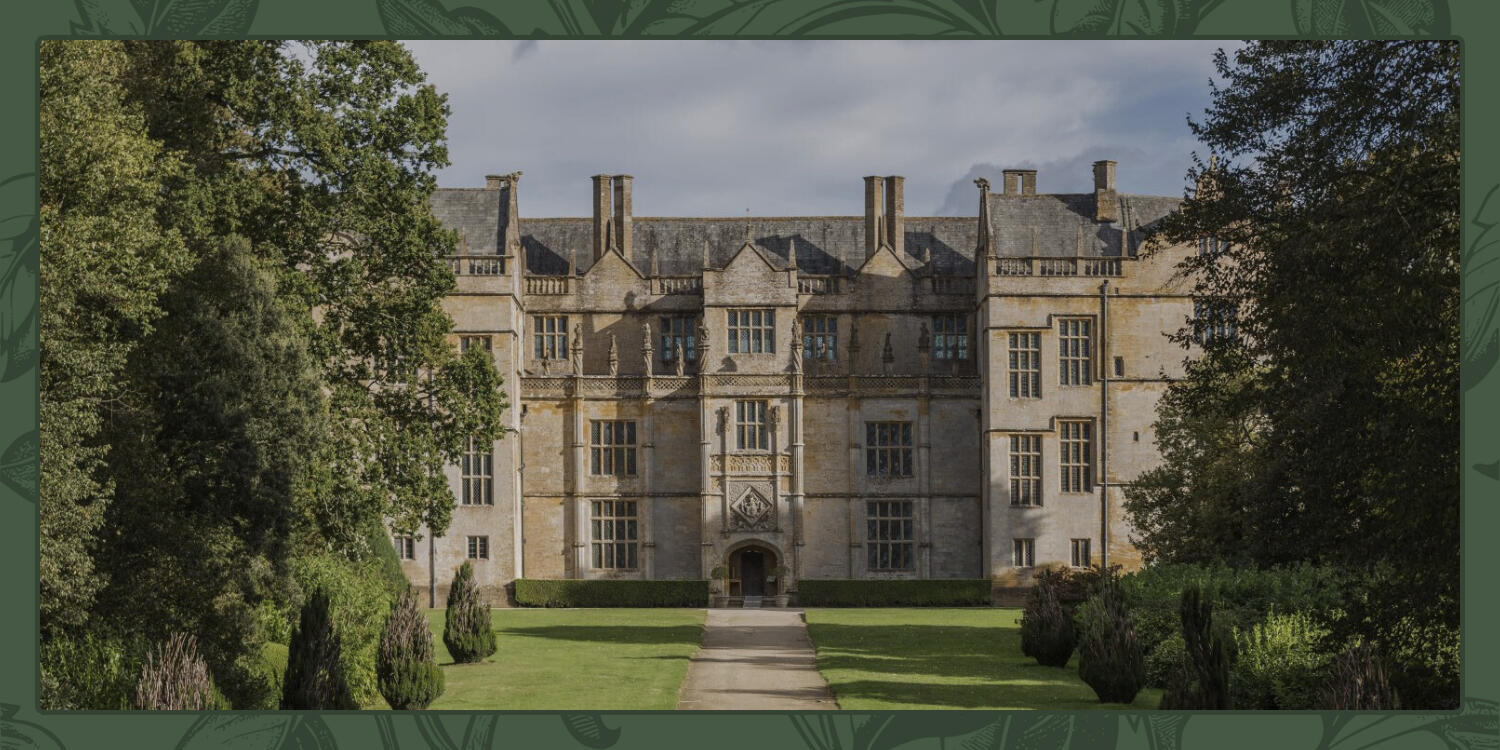
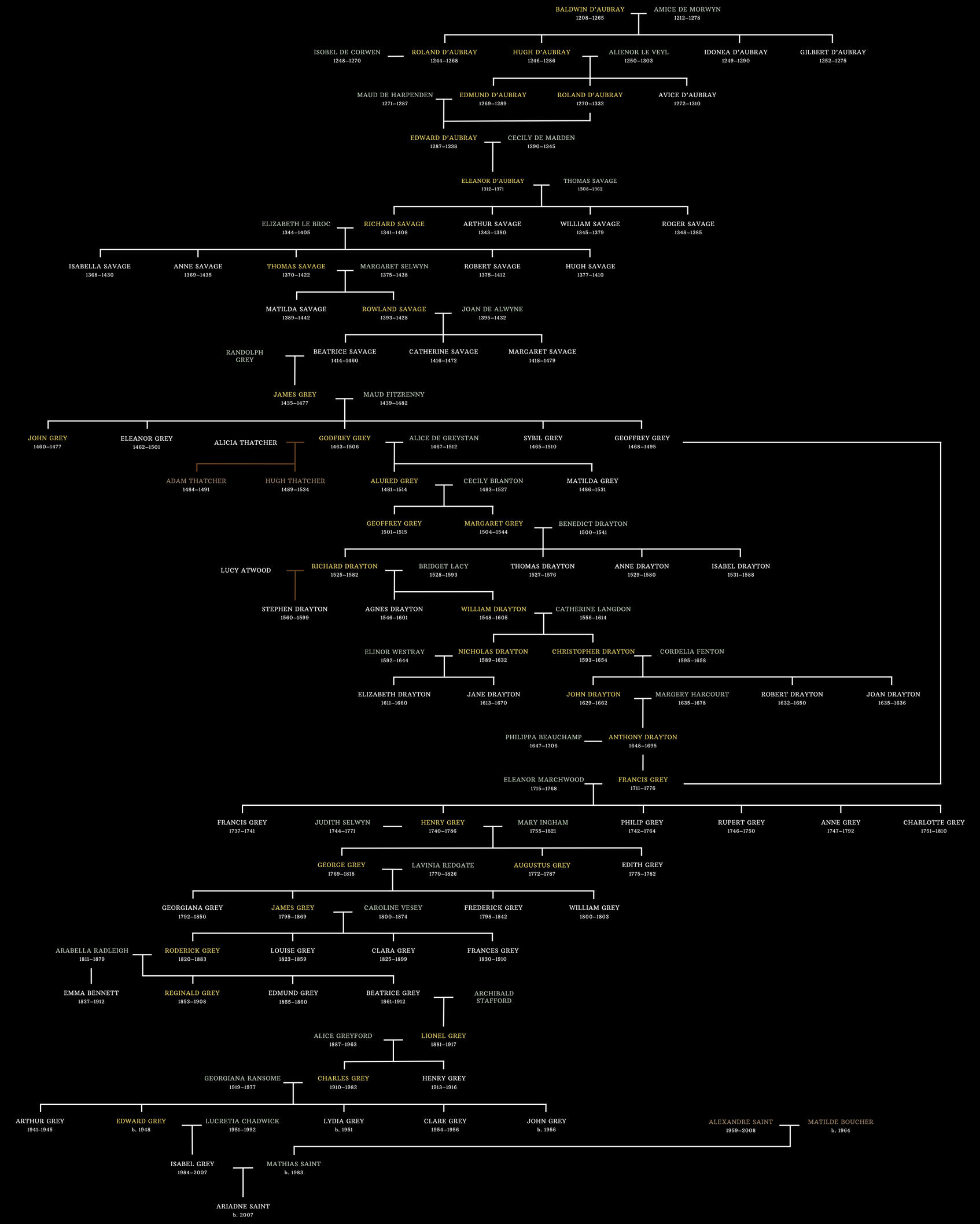
The title of Whitchurch dated back to the thirteenth century and had passed through several branches of the same family before coming, in more recent years, to the Greys. The family estates lay deep in the Cotswolds, where Whitchurch Hall had remained the principal seat since the late sixteenth century, together with Crosthwaite Manor, which had long belonged to the family holdings. Though never among the grandest of the English peerages, the family had retained both its lands and title for centuries, surviving through periods of decline, distant inheritances, and the occasional absence of a direct heir. The present holder of the title, Edward Grey, was the tenth Earl of the modern creation and the twenty-fifth altogether.
ㅤ



























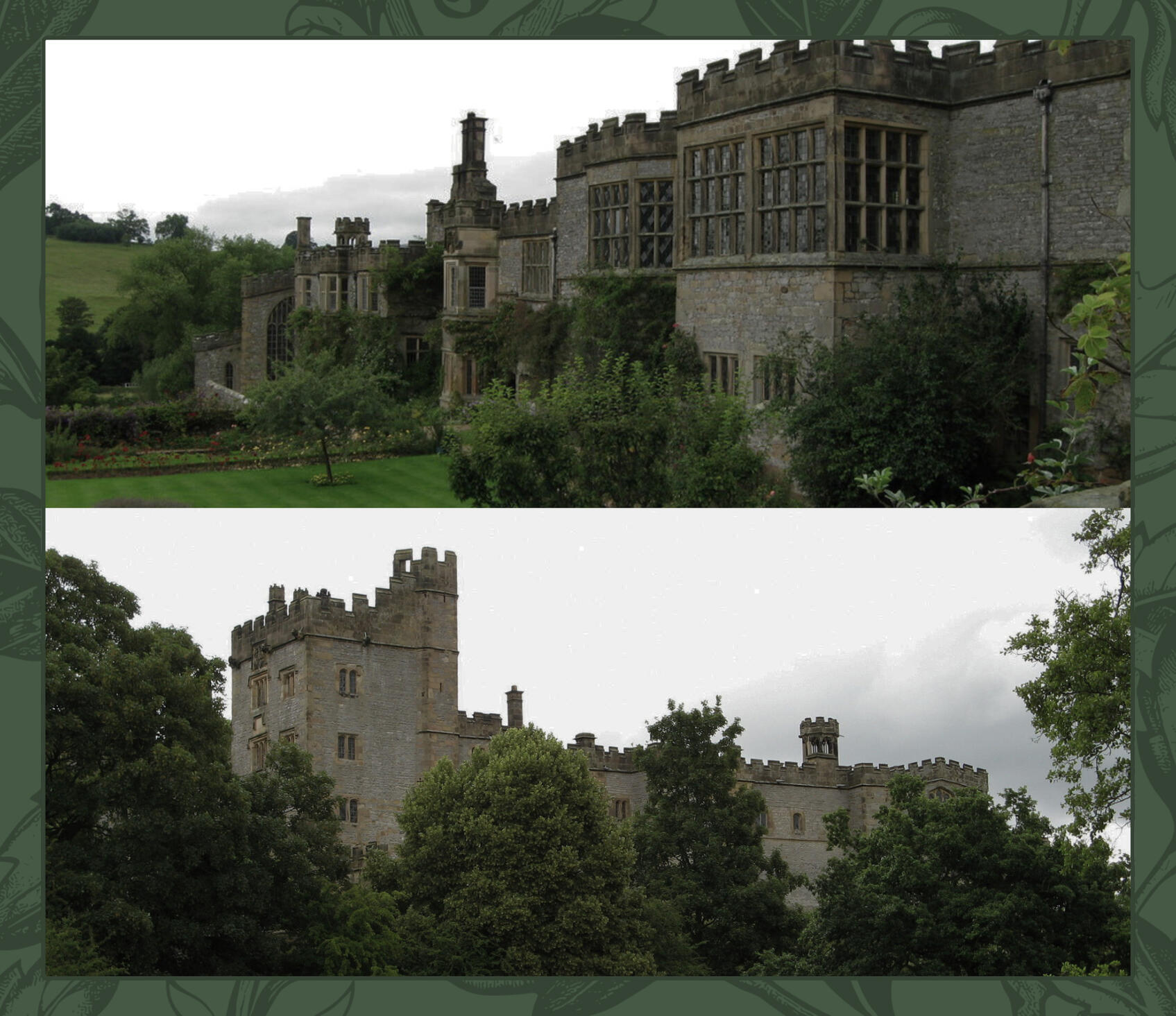
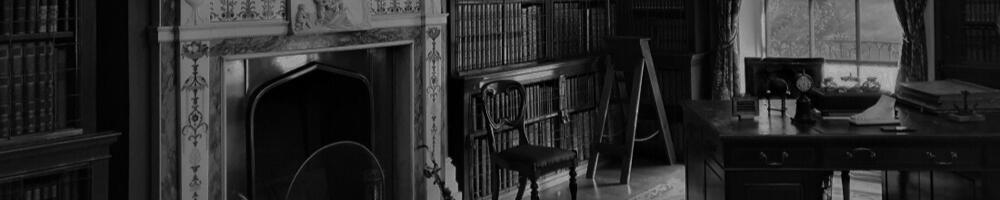
Whitchurch Hall was first built by Sir Baldwin d’Aubray after he was granted lands near Whitchurch in recognition of his years of service. Coming from a family of knights, he built the Hall less with grandeur in mind than practicality. Set near the woods and accompanied by extensive stables, the house was intended chiefly to accommodate the ordinary demands of estate and household rather than display.Over the centuries the Hall underwent repeated repairs and alterations. After the family removed to Crosthwaite Manor, Whitchurch Hall ceased to serve as the principal residence, yet it was never entirely neglected. In 1993, following another period of restoration, the house was placed under the care of a trust.
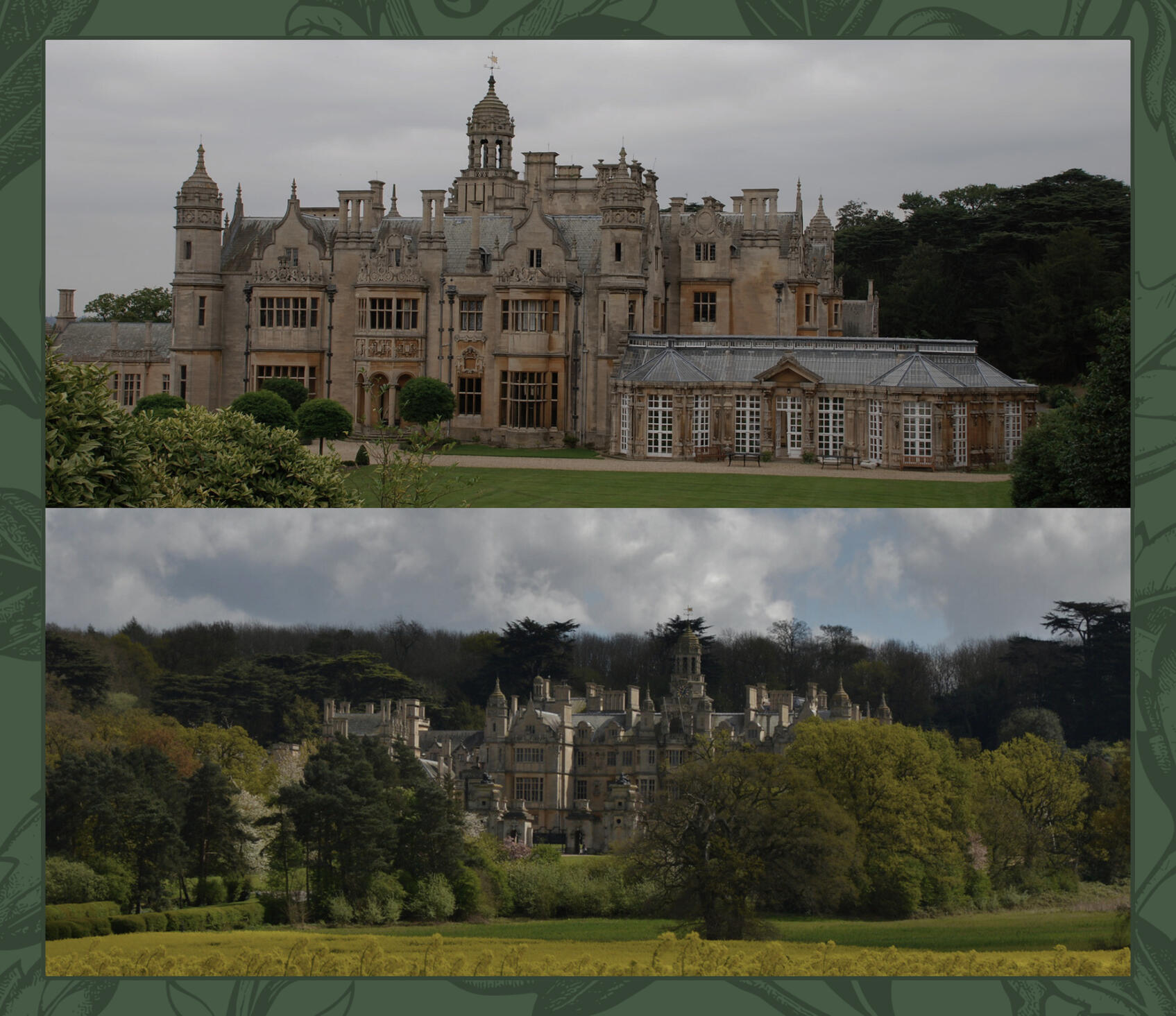
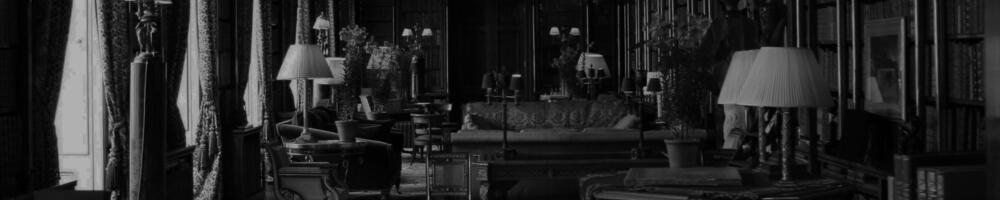
Crosthwaite Manor was begun in 1601 by William Drayton, who intended it to replace the ageing timbered structure of Whitchurch Hall. He did not live to see its completion, however, dying before the work was finished and leaving the matter to his eldest son.For a time, even after its completion, Crosthwaite stood largely unoccupied, and when the following Earl at last took up residence there, difficulties were said to have followed soon after, though never anything grave enough to drive the family from it entirely. The house nevertheless remained in the possession of the family and endured as the principal residence to the present day, standing upon land where rain fell often and mist gathered across the grounds.
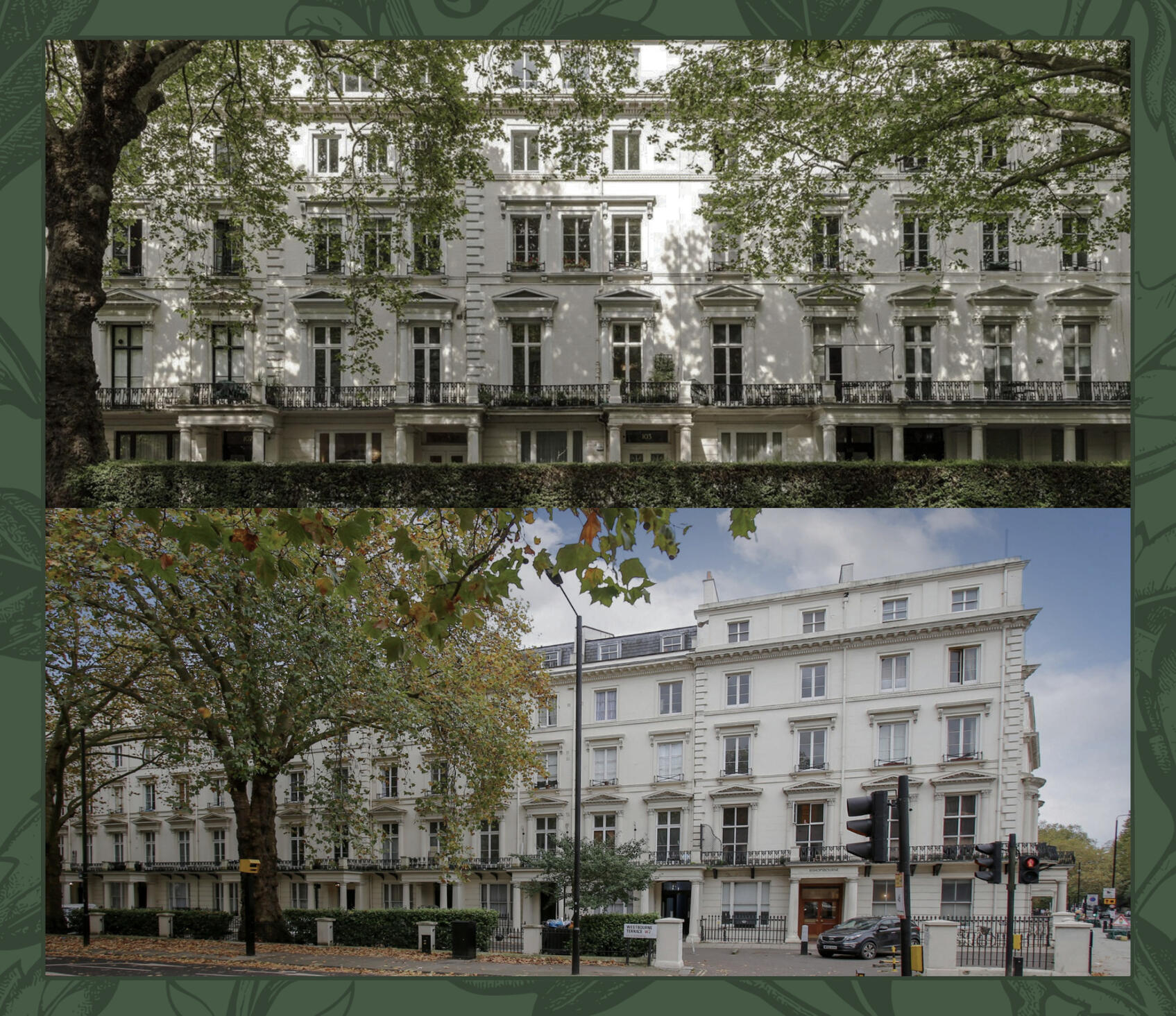
Grey House, situated on Westbourne Terrace, had served as the family’s London residence since its purchase in 1954. Unlike Crosthwaite or Whitchurch Hall, the house possessed little history of its own within the family, having been acquired chiefly for convenience during the months spent in the city. Though the journey from the estate to London was never especially long, it had gradually become impractical for the family to travel back and forth for every engagement, dinner, or occasion requiring their presence in town.The house itself was modest by aristocratic standards and intended less for display than comfort, though over the years it came to acquire something of the family’s own character and was referred to simply as Grey House thereafter.
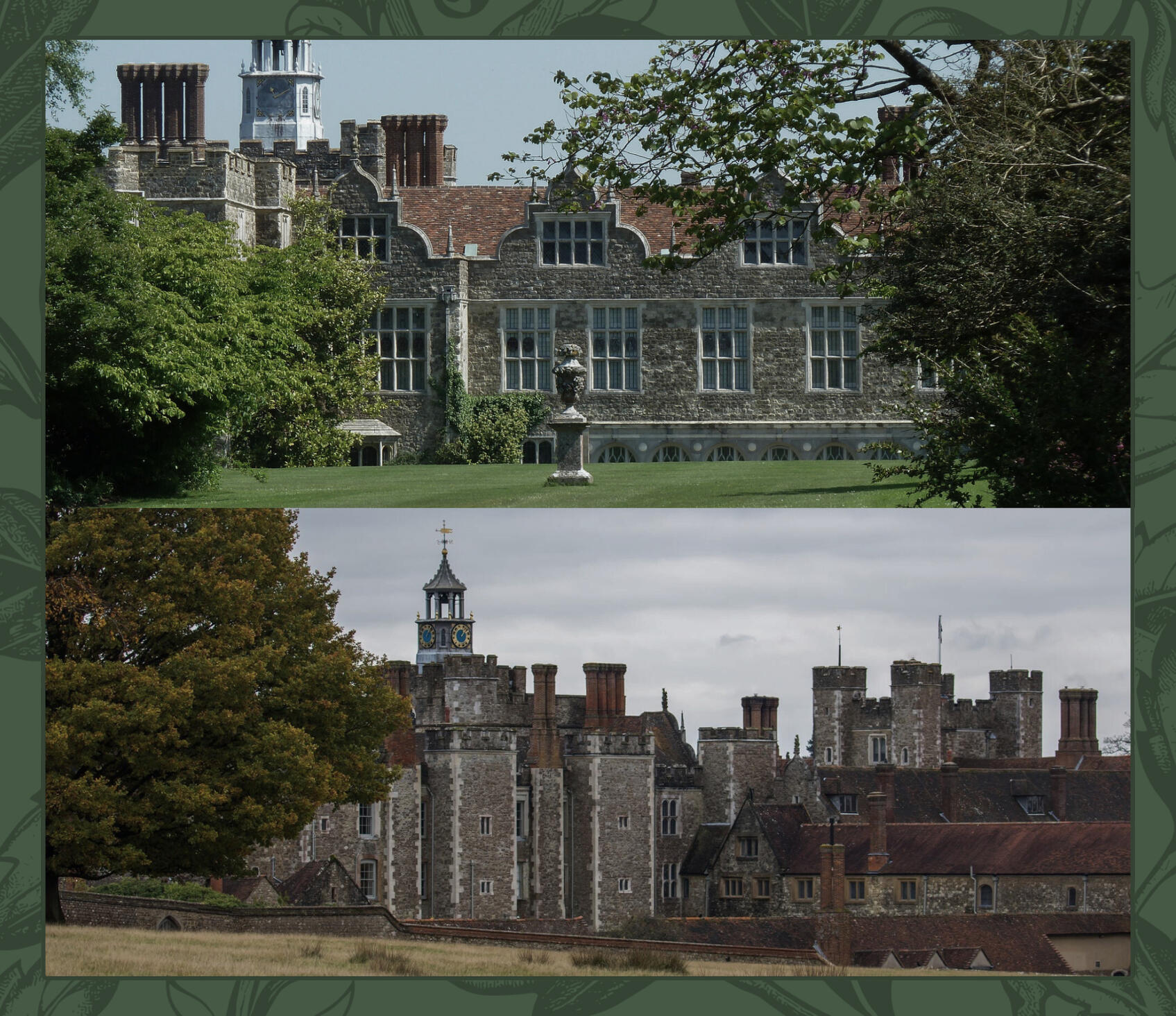
Norhamstead Park had stood near Wells since the fifteenth century, having first been built by the Duke of Wells in that period. Enlarged gradually over the centuries rather than wholly rebuilt, the house retained much of its earlier character and the vast irregularity common to the older great houses of England.Though unconnected to the Whitchurch estates themselves, Norhamstead became closely tied to the family in later years through the marriage of the present Earl’s sister to the Duke of Wells. It remained the seat of the Dukes of Wells to the present day, occupied not only by the Duke himself but by his eldest son and heir with his family also, as had long been the custom of the house.